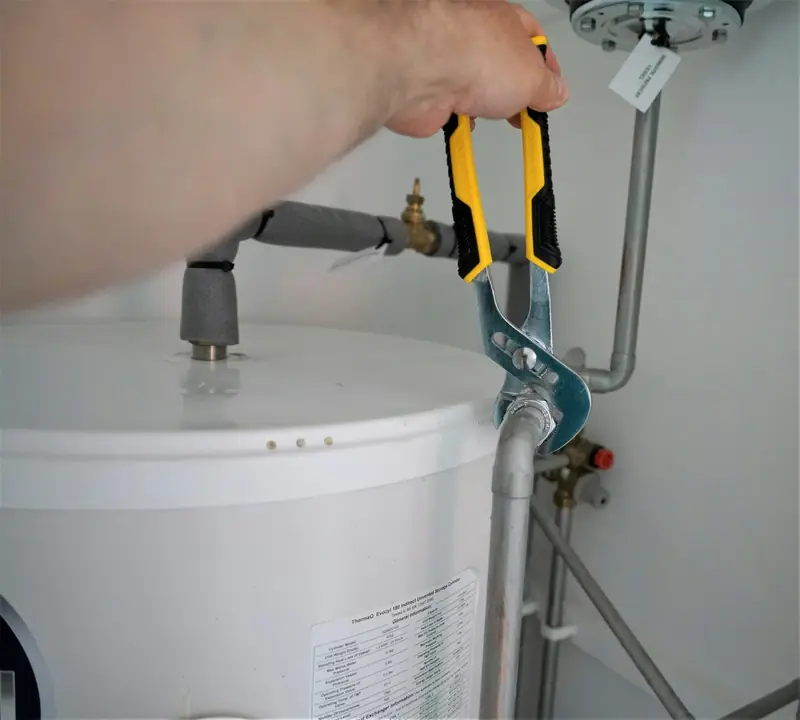
A geyser that's too small runs out of hot water mid-shower; one that's too big wastes electricity keeping water hot that nobody uses. If you're replacing a burst or old geyser, it's a good moment to check the size is right.
Common geyser sizes
| Size | Typical household |
|---|---|
| 100 litres | 1–2 people, mostly showers |
| 150 litres | 2–3 people |
| 200 litres | 3–4 people, or a family that uses the bath often |
| 250–300 litres | 5 or more people, or several bathrooms used at the same time |
These are rough guides. Long showers, a big bath, or a household that all showers in the morning push you up a size.
Other things to consider
- Space in the roof: larger geysers need more room, a sturdy platform and a drip tray. Horizontal and vertical models suit different spaces.
- Pressure: most modern homes use high-pressure geysers with a pressure control valve. Older low-pressure systems are different, so ask the plumber what you have.
- Electricity: a well-insulated geyser with a geyser blanket and a timer uses less power. See geyser timers to save electricity.
- Solar or heat pump: a solar geyser or heat pump costs more upfront but can cut water-heating costs a lot. They're often sized differently, so ask for advice.
What a replacement quote should include
- The geyser size, brand and type.
- New valves (pressure control valve, temperature and pressure valve, vacuum breakers) and a drip tray with an overflow pipe to the outside.
- Electrical connection and thermostat. The plumber should issue a certificate of compliance for the plumbing installation (SANS 10254).
- Removal of the old geyser.
- Whether the job is for an insurance claim, and if so, the plumber's report.
If your geyser has burst, see burst geyser: what to do first. If it's dripping outside, see geyser overflow pipe dripping. Compare geyser repair and replacement in Benoni.